
There’s something undeniably comforting about a whole roasted chicken, especially when it comes out of the oven golden and crispy. This dish is perfect for family gatherings or a cozy dinner at home, providing both a hearty meal and delightful aromas that fill the kitchen.
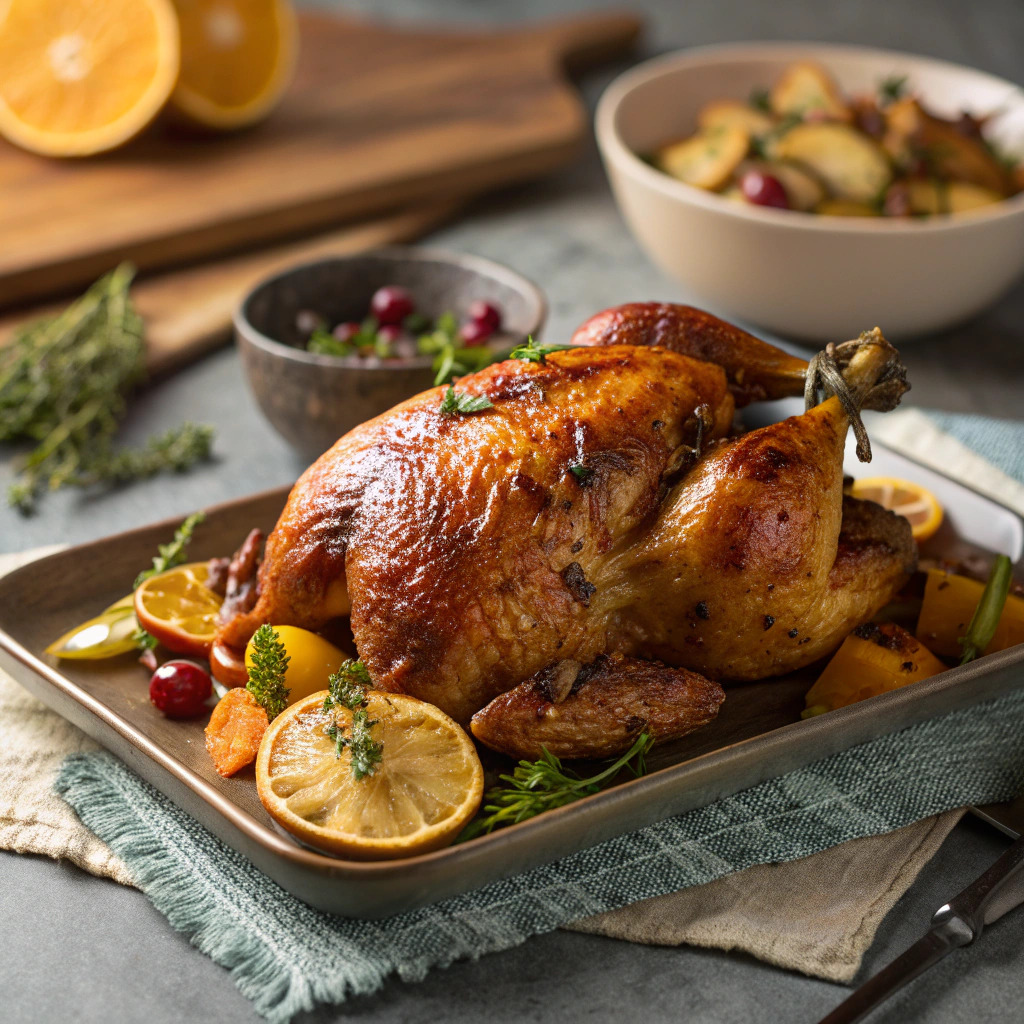
Roasting a whole chicken is a culinary art that celebrates simplicity and flavor. This recipe brings together a few key ingredients to enhance the natural taste of the chicken while achieving that coveted crispy skin. The beauty of a whole roasted chicken lies not only in its presentation but also in the versatility it offers for leftovers, which can be used in sandwiches, salads, or soups. The process allows the meat to retain moisture while the skin crisps up beautifully, creating a delicious contrast that is hard to resist. Preparing this dish also gives you a chance to explore different seasonings and herbs, making it a personal favorite for many home cooks around the world.
The aroma of herbs and roasted chicken will draw everyone to the dinner table, and the satisfaction of serving a perfectly cooked dish will make this a recipe you return to time and again.
To prepare a whole roasted chicken, you will need a few essential pieces of equipment.
For optimal flavor, ensure you season the chicken generously both inside and out. Use salt, pepper, and your choice of herbs such as rosemary or thyme for a classic taste. It's important to let the chicken come to room temperature for about 30 minutes before roasting; this helps in cooking it evenly. Always check the internal temperature with a meat thermometer, ensuring that the thickest part of the chicken reaches at least 165°F to guarantee it's fully cooked. If the skin is browning too quickly, tent it loosely with aluminum foil. For safety, wash your hands and any surfaces that come into contact with raw chicken to prevent cross-contamination.
Store any leftover chicken in an airtight container in the refrigerator for up to three days.
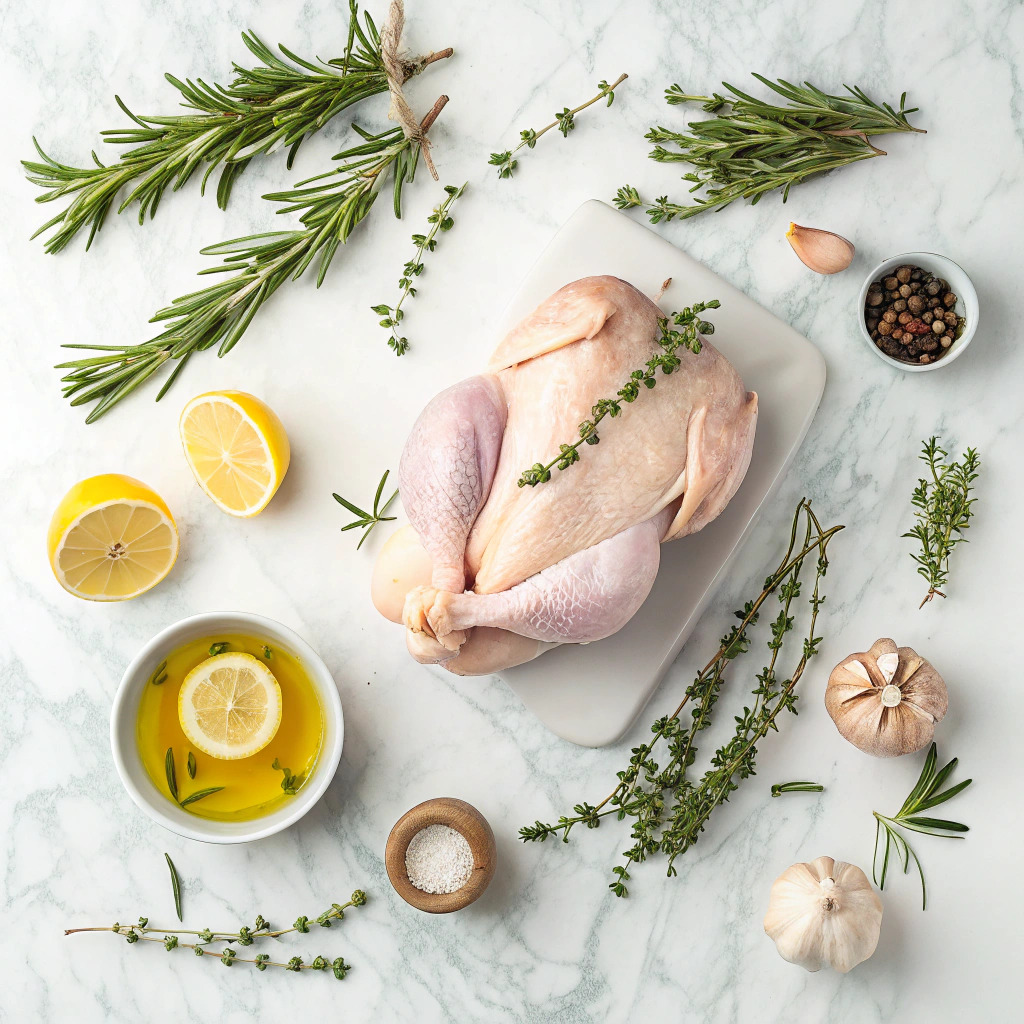
For a different flavor profile, consider marinating the chicken in a mixture of lemon juice, garlic, and olive oil for a few hours before roasting. You can also stuff the cavity with aromatics like garlic cloves, onion wedges, or citrus fruits for added depth of flavor. Another variation is to use different spices such as paprika or cumin to create a unique taste. Experimenting with these variations can lead to delightful new experiences with each roast.
Once the chicken is roasted to perfection, let it rest for about 10-15 minutes before carving. This resting period allows the juices to redistribute, ensuring a moist and flavorful serving. Serve the chicken alongside seasonal vegetables or a fresh salad for a balanced meal. Don’t forget to drizzle any pan juices over the chicken to enhance the flavor even more. This dish is also perfect for meal prep, as leftovers can be stored and enjoyed in various ways.
| Problem | Solution |
|---|---|
| The chicken skin is not crispy. | Ensure the chicken is patted dry before seasoning and roasting. A wet surface can lead to steaming rather than roasting. |
| The chicken is cooked unevenly. | Make sure the chicken is at room temperature before roasting, and use a meat thermometer to check the temperature in multiple areas. |
| The chicken is dry. | Avoid overcooking by monitoring the internal temperature closely, and consider brining the chicken beforehand. |
| The flavors are lacking. | Don’t skimp on seasoning both the outside and inside of the chicken, and consider using fresh herbs for a more vibrant flavor. |
Can I use a frozen chicken for this recipe?
No, it's important to thaw the chicken completely before roasting to ensure even cooking.
How long should I let the chicken rest before carving?
Let the chicken rest for about 10-15 minutes to allow the juices to redistribute.
What can I do with the leftover chicken?
Leftover chicken can be used in salads, sandwiches, or soups.
Can I roast vegetables with the chicken?
Yes, you can add root vegetables to the roasting pan for a complete meal.