
Whole wheat sourdough bread is a nourishing choice that brings the goodness of whole grains to your table. Its nutty flavor and chewy texture make it a delightful addition to any meal.
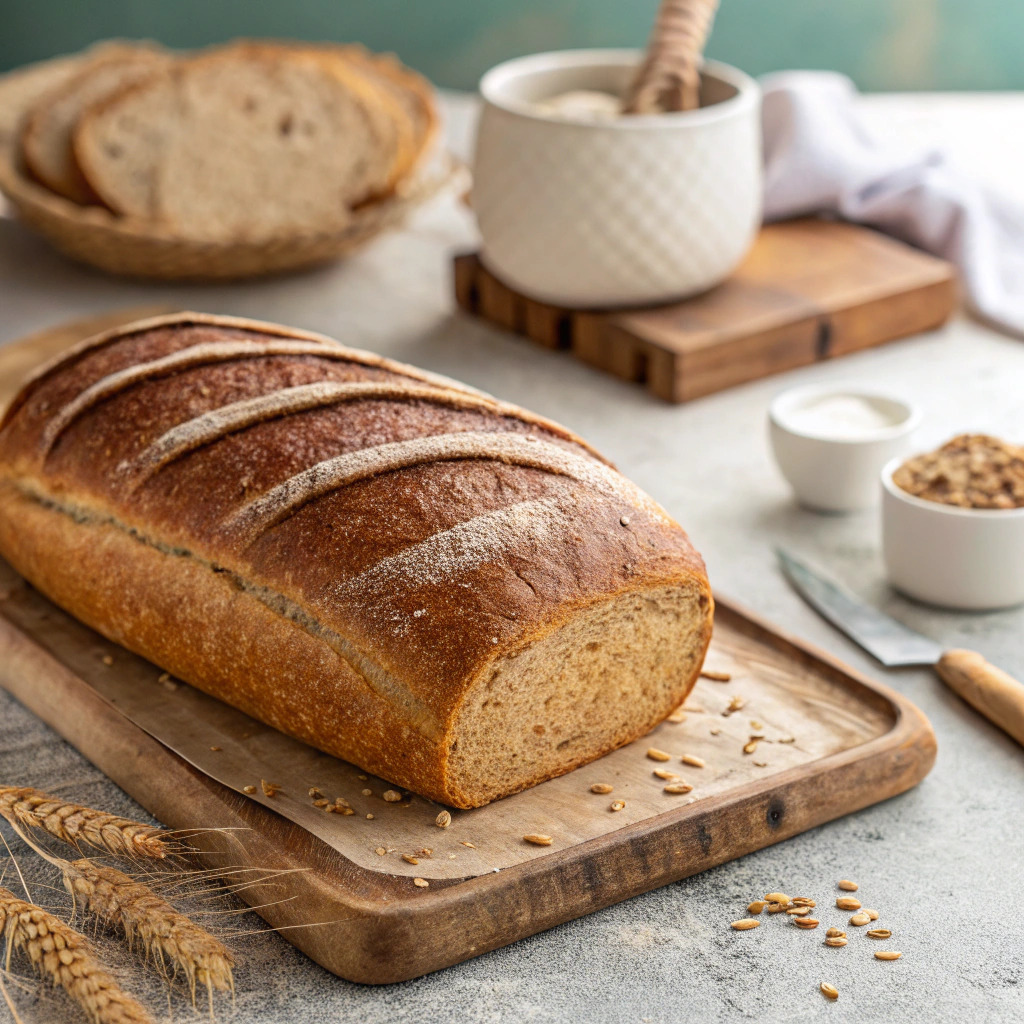
This recipe for whole wheat sourdough bread stands out due to its use of whole grain flour, which is packed with nutrients and fiber compared to white flour. The natural fermentation process not only enhances the bread's flavor but also makes it easier to digest. The slow rise allows for the development of complex flavors that store-bought breads often lack.
Homemade bread has a unique quality that brings warmth and satisfaction to the kitchen, making it a rewarding project for both novice and experienced bakers alike. Each loaf is a testament to the art of baking, combining simple ingredients into something extraordinary. The crusty exterior gives way to a soft, airy crumb, perfect for sandwiches or simply toasted with a bit of butter.
To bake whole wheat sourdough bread, you will need several key pieces of equipment.
When making whole wheat sourdough bread, ensure that your sourdough starter is active and bubbly for the best results. This will help the bread rise properly and develop a nice flavor. If you are new to sourdough, remember that patience is key; allow sufficient time for fermentation and rising.
Keep in mind to properly handle raw ingredients and maintain cleanliness in your kitchen. Wash hands thoroughly after handling flour or uncooked dough and keep surfaces clean. When checking the bread's doneness, ensure it reaches an internal temperature of at least 190°F for a fully baked loaf. Store leftovers in a paper bag at room temperature for up to three days, or freeze slices for longer storage.
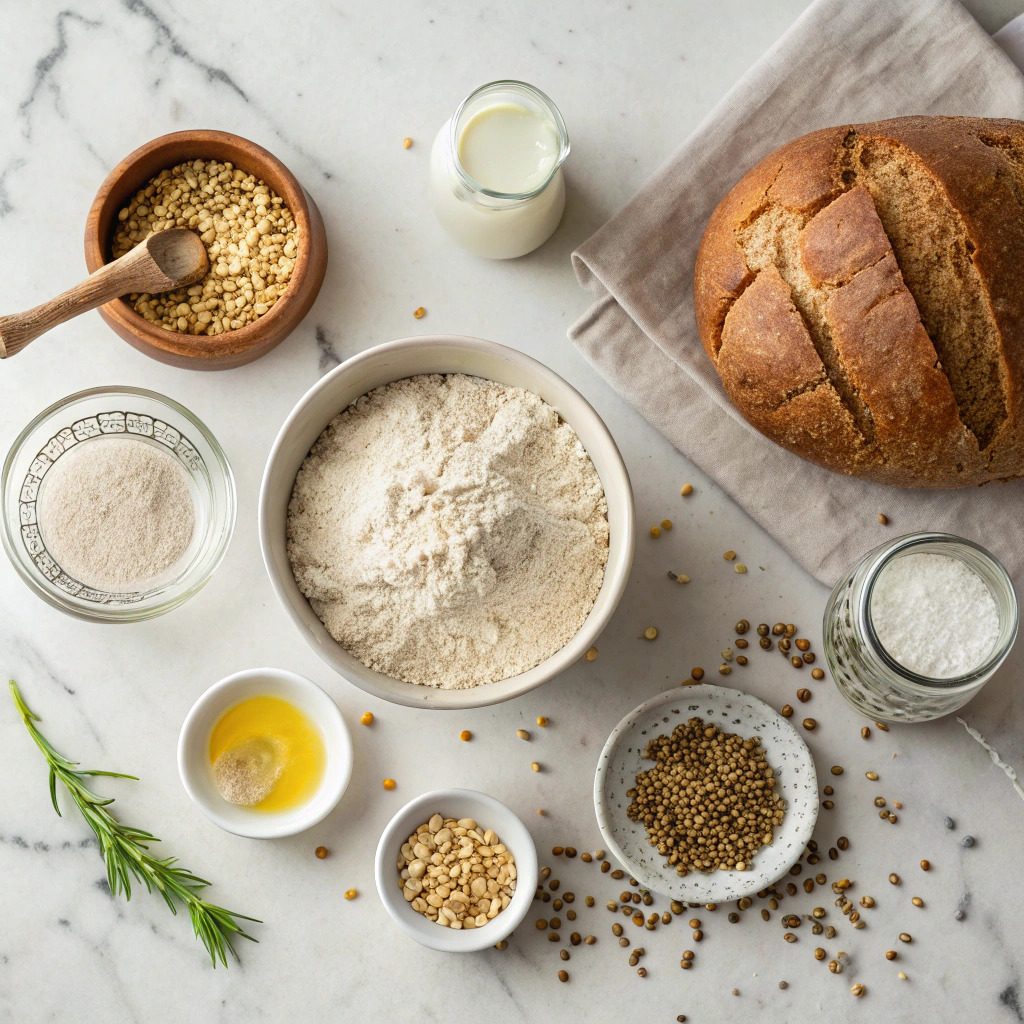
Store in a paper bag at room temperature for up to three days or freeze for longer storage.
Feel free to customize your whole wheat sourdough bread with different add-ins. Consider incorporating seeds such as sunflower or pumpkin for added nutrition and texture. Dried fruits like cranberries or raisins can add a touch of sweetness, while herbs like rosemary or thyme can infuse the bread with savory flavors. Experimenting with various flours, such as spelt or rye, can also yield interesting results while maintaining the health benefits of whole grains.
Whole wheat sourdough bread is versatile and can be served in various ways. Slice it thick for hearty sandwiches, or cut it thin for crostini topped with your favorite spreads. Serve alongside soups or salads for a balanced meal. This bread is also delightful when toasted and slathered with butter or jam. Pair it with cheese and charcuterie for an impressive appetizer platter.
| Problem | Solution |
|---|---|
| The dough did not rise properly. | Ensure that your sourdough starter is active and bubbly before use. Warm temperatures help fermentation, so consider placing the dough in a warmer spot. |
| The bread is dense or heavy. | This could be due to insufficient gluten development or not enough hydration. Make sure to knead the dough adequately and allow for proper rising times. |
| The crust is too hard. | A longer bake time might be needed, but also consider covering the bread with a lid during the first half of baking to trap steam, then removing it for the last part to achieve a golden crust. |
How long does it take to make whole wheat sourdough bread?
It typically takes about eight hours from start to finish, including rising times.
Can I use all-purpose flour instead of whole wheat flour?
Yes, but using whole wheat flour provides more nutrients and fiber.
Why is my sourdough bread dense?
A dense loaf may result from insufficient kneading or rising time.
How can I tell when the bread is done baking?
The bread should have a golden-brown crust and an internal temperature of at least 190°F.